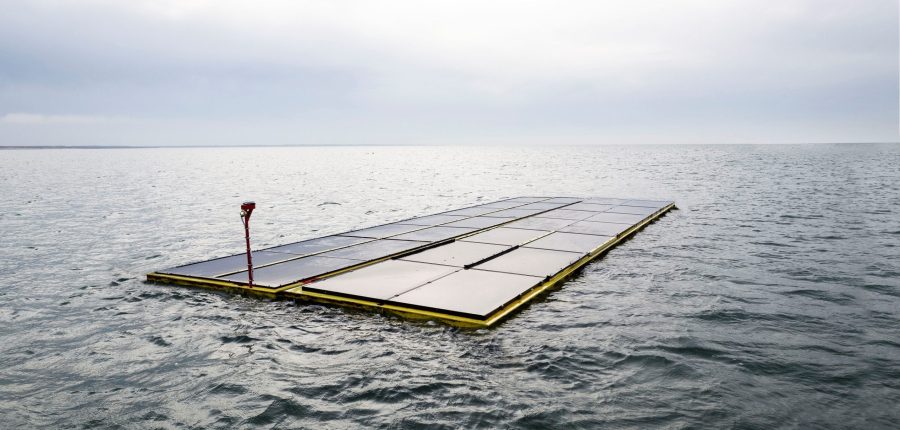
Offshore Solar Energy, Sunny Power on Water

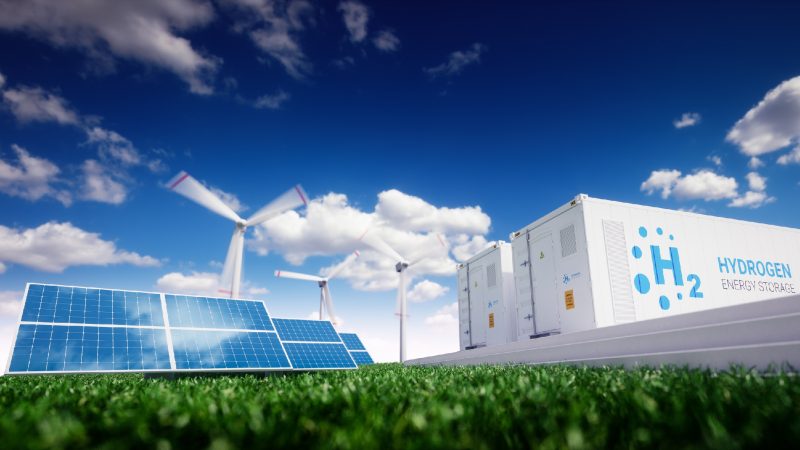
Solar power along with wind power are the most consolidated sources for renewable energy. In addition to biomass and hydropower, these two have the best dissemination potential with low costs in energy production today, in the expectation of introducing other technologies, such as green hydrogen to generate electricity, while always being based on the sources … Read more

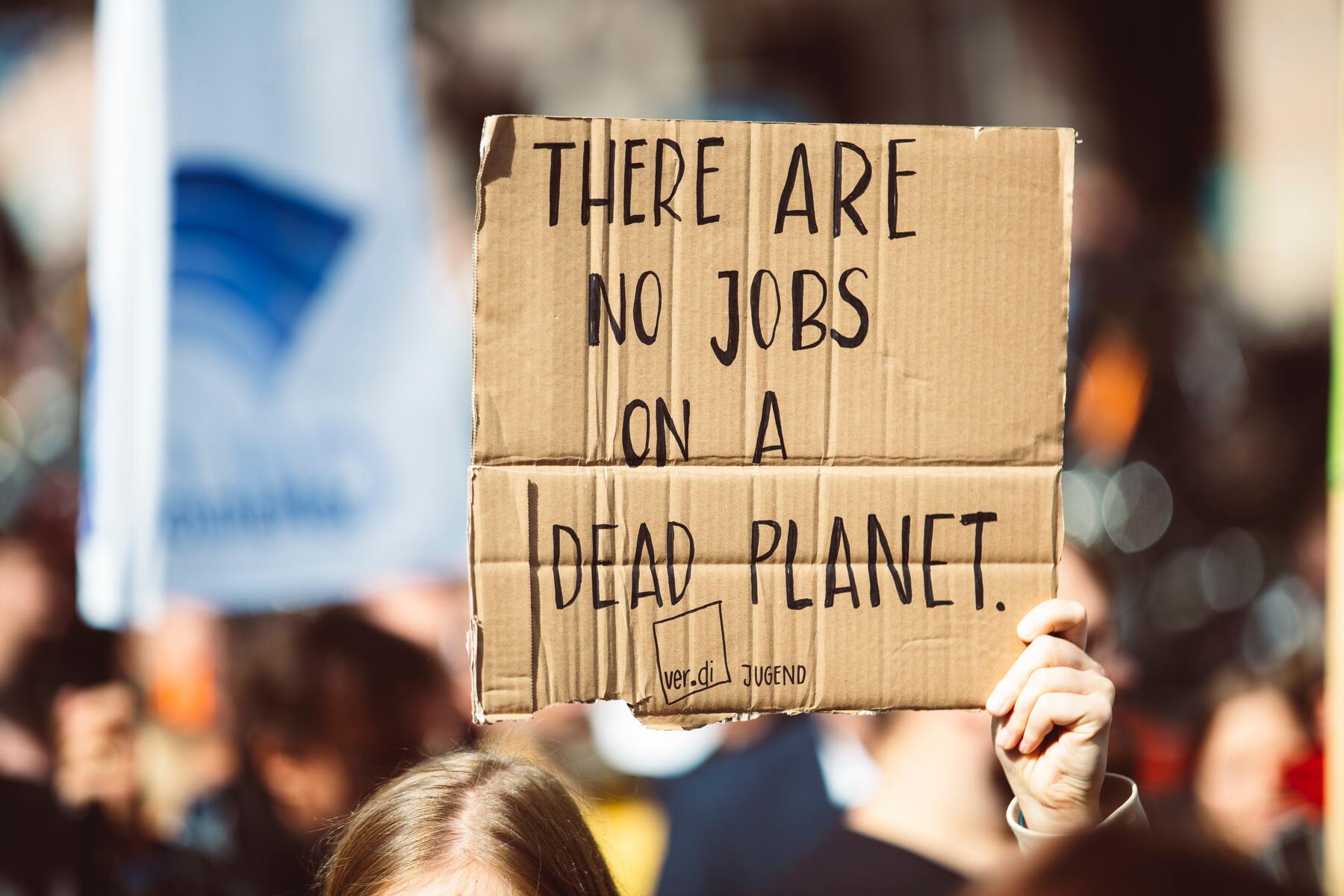
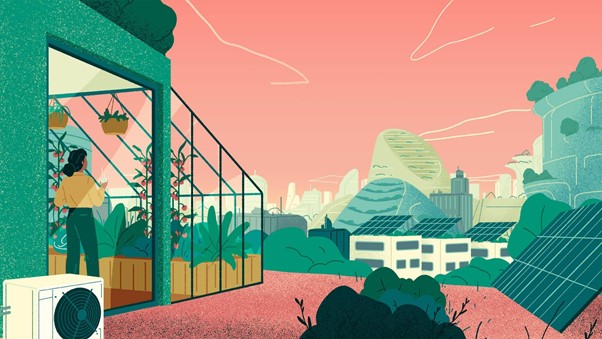
‘Climate quitters’ and beyond: how climate action is redefining global job markets

When last summer journalist Akshat Rathi started a Twitter thread asking people who left their job to fight climate change to share their stories, he was flooded with thousands of comments and DMs from professionals who did so and had zero regrets. Bloomberg Green calls them ‘climate quitters’ and they represent a growing segment of … Read more

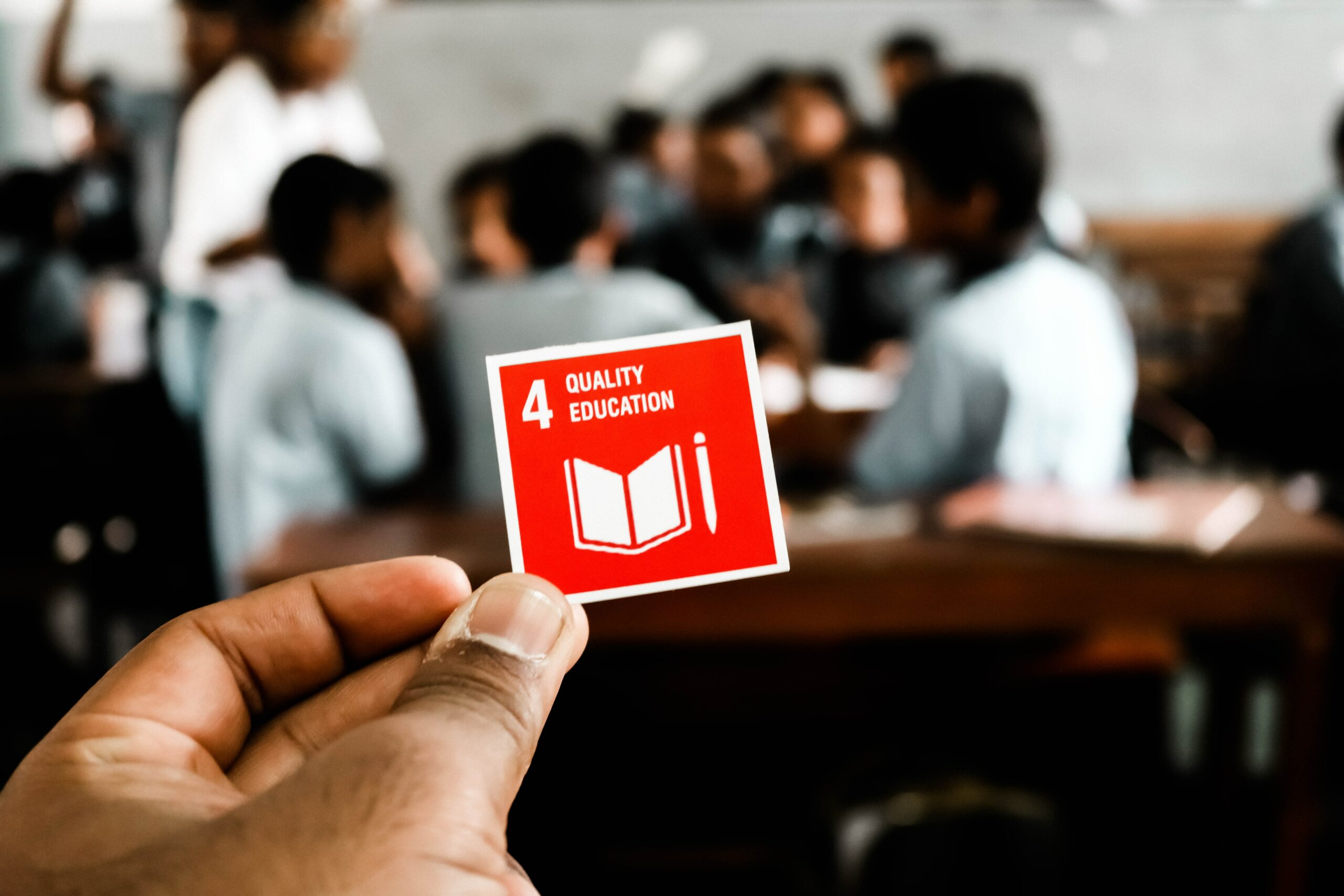
SDG Learners today, SDG Leaders tomorrow!

The 2030 Agenda, adopted by all UN Member States in 2015, has at its heart the 17 Sustainable Development Goals (SDGs), which are an urgent call for action by all countries in a global partnership. To end poverty and deprivations all around the world, it is necessary to foster strategies that improve health and education, … Read more

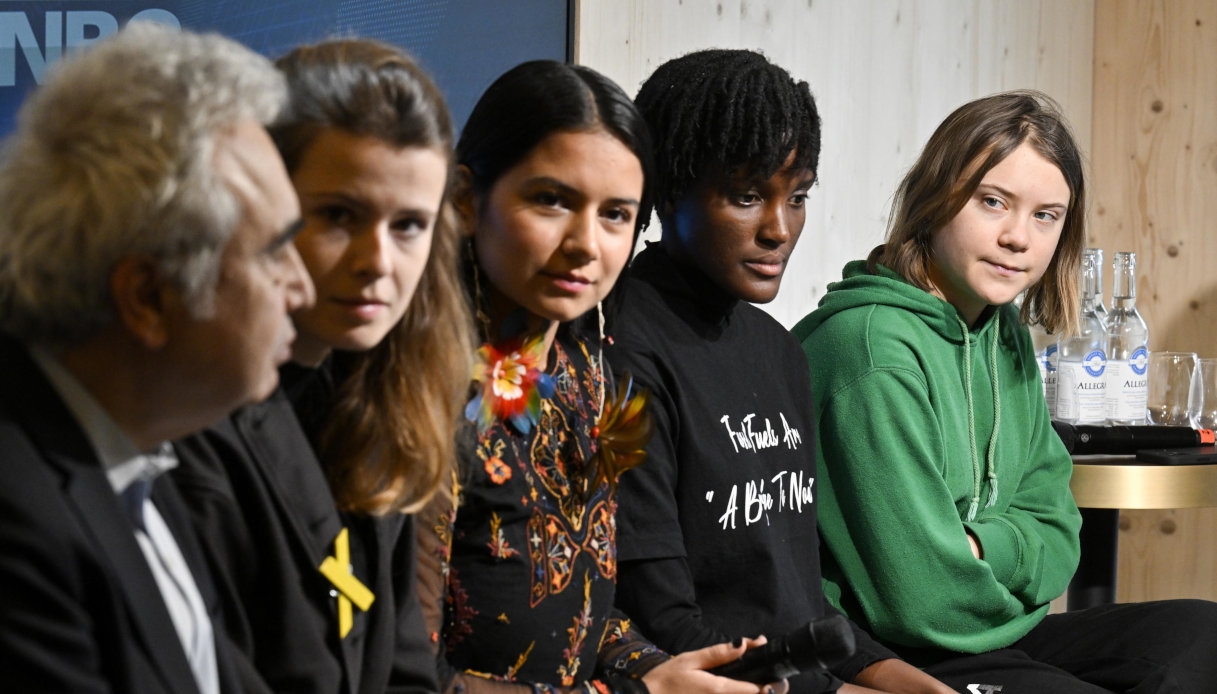
4 activists, 1 goal: ending the extraction of fossil fuels

Vanessa Nakate from Uganda, Greta Thunberg from Sweden, Helena Gualinga from Ecuador, Luisa Neubauer from Germany. Those women are the first signers of a worldwide climate action directed to CEOs of fossil fuels companies with the aim to stop the opening of new extraction sites. Today the World Economic Forum in Davos, Switzerland, is coming to … Read more

Urban Nature Atlas: useful tool for the ecologic transition in cities

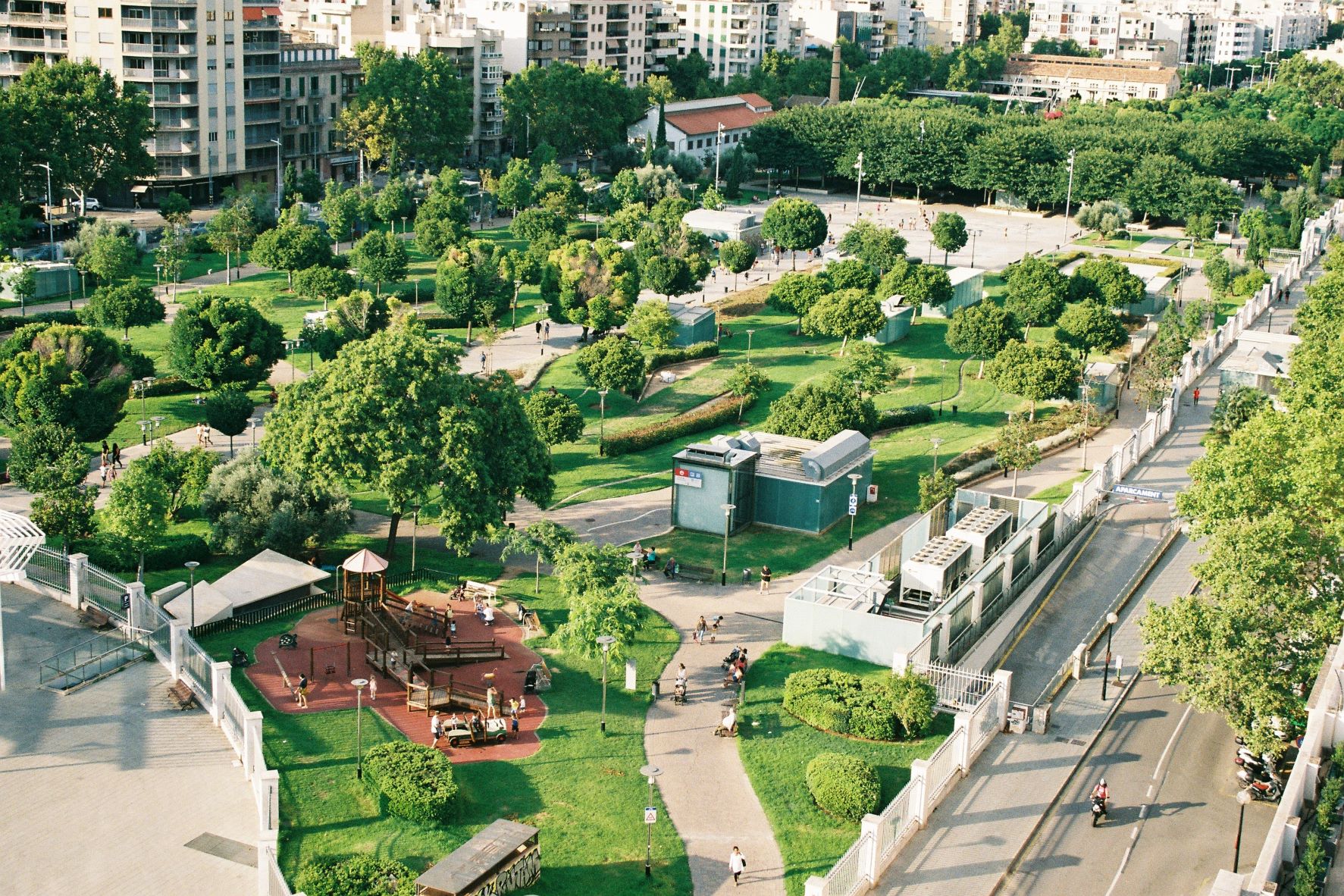
The Urban Nature Atlas (UNA) is a wide opensource database funded by European Union’s Horizon 2020 which “aims to inform, inspire and enable everyone interested in bringing their transformative power to bear on the cities of the future”. Started in 2017 by the Central European University in collaboration with the Ecologic Institute and the Durham … Read more

South Korea towards Zero Food Waste: How Come?

According to the World Bank, trends show that the world generates 2.01 billion tonnes of municipal solid waste annually, with at least 33% of that not managed in an environmentally safe manner. The food we throw away create many by-products, and methane is one of the worst offenders – responsible for as much as 16% … Read more

Not Just Bikes: how good urban planning makes our lives more sustainable

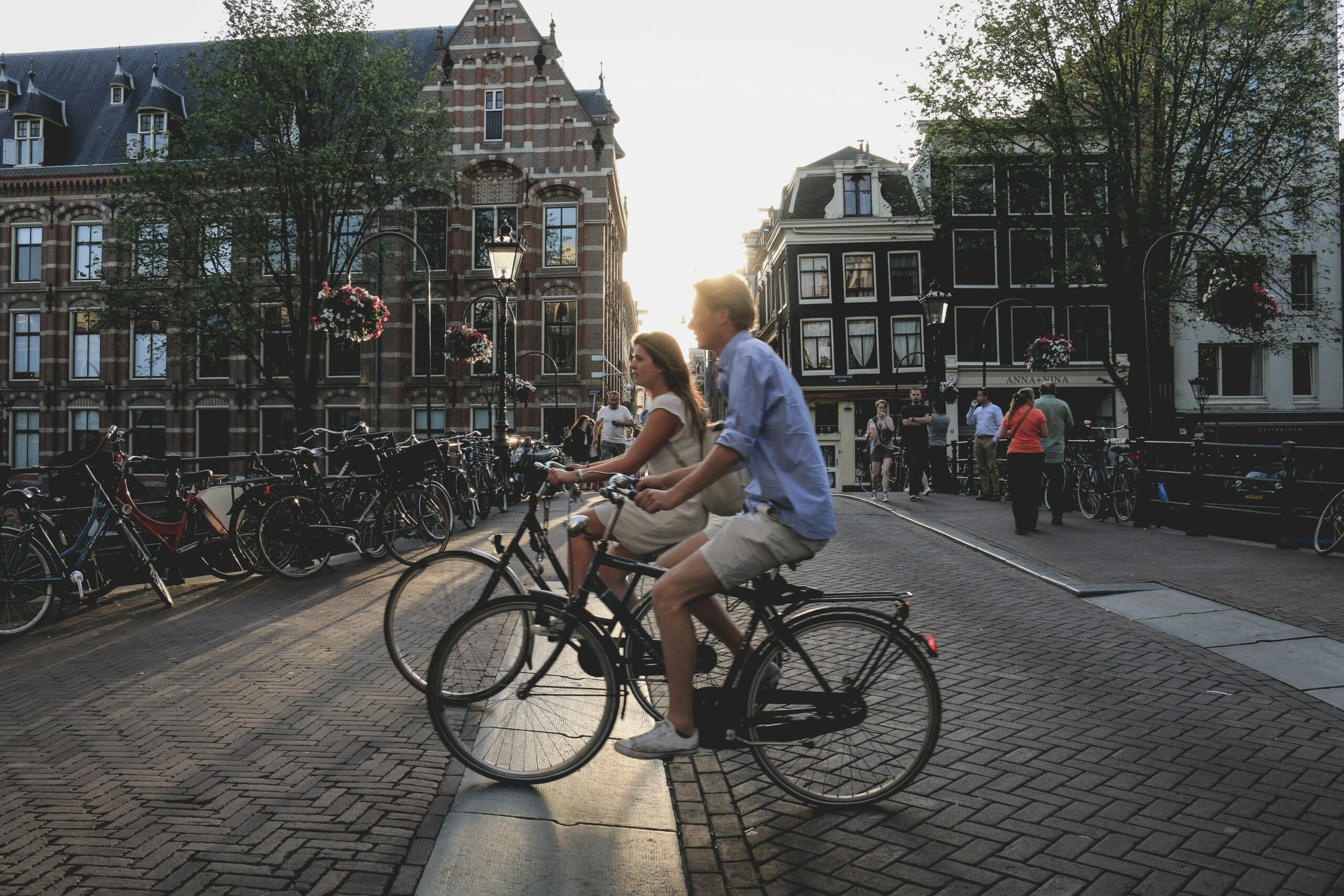
If you are interested in urban design, you have probably already stumbled across one of Not Just Bikes’ Youtube videos. Jason Slaughter decided to open this channel in 2019, after a decisive work trip to Houston (USA), which made him realize how cities’ urban planning shapes people’s habits and culture, and how leaving Canada for … Read more